
Understanding the Cultural Significance of Korean Cuisine
Korean cuisine is a vibrant tapestry of flavors, techniques, and traditions that reflects the rich culture and history of the Korean people. As we explore the intricate details of this culinary art form in the context of 상봉동 한국관, it becomes evident that food in Korea transcends mere sustenance; it is an essential part of social interactions and cultural identity. Whether you’re a seasoned aficionado or a curious newcomer, understanding the nuances of Korean food will enhance your dining experience.
History of Korean Culinary Traditions
The roots of Korean cuisine stretch back thousands of years, influenced by both geography and the cultural exchanges that occurred through trade and migration. Early Korean diets were primarily based on rice, vegetables, and meats, evolving over time with the introduction of fermentation techniques, notably for making kimchi. During the Goryeo and Joseon dynasties, cuisine began to reflect social status and regional variations, resulting in the diverse offerings today.
Regional Dishes and Their Unique Flavors
Korean cuisine is characterized by its regional specialties. For instance, Jeolla Province is famed for its rich and spicy flavors, while the seafood of the coastal regions offers a different set of tastes and textures. Dishes such as Bibimbap from Jeonju and Kimjang (the communal preparation of kimchi) from Gwangju showcase how geography influences culinary practices. These regional differences add depth and variety, making Korean cuisine a delightful exploration for diners.
Importance of Family Dining in Korean Culture
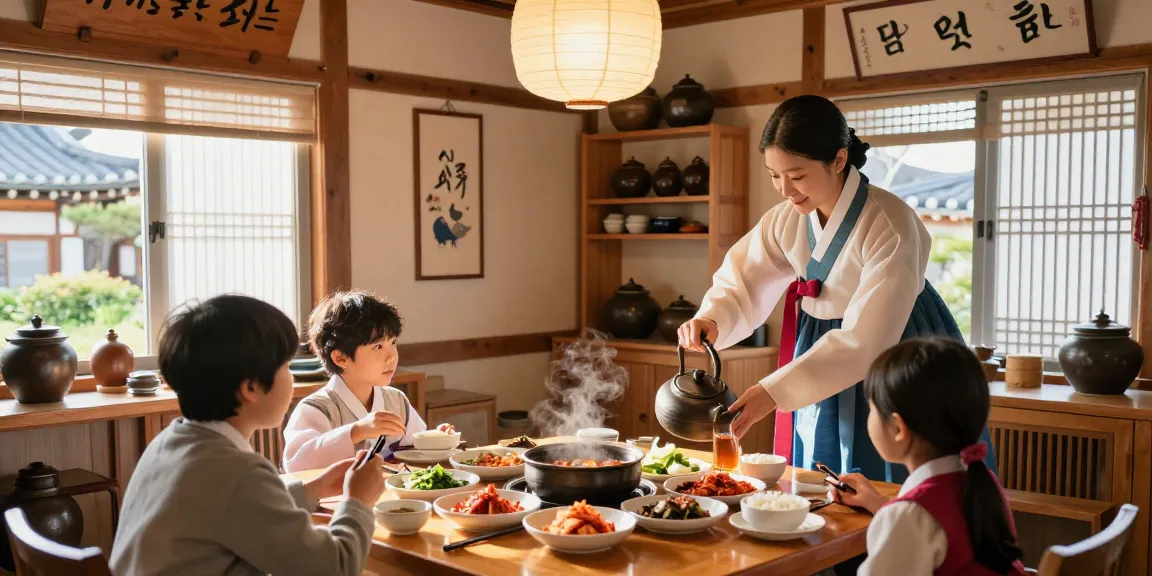
In Korea, family dining is a cherished tradition that emphasizes togetherness and connection. Meals are often communal, with dishes served in the center of the table for sharing. This practice fosters a sense of community and reinforces familial bonds, making dining a cherished ritual rather than just a daily necessity. Understanding this aspect of Korean dining at venues like 상봉동 한국관 can deepen your appreciation of the dishes served.
What to Expect at 상봉동 한국관
When you step into 상봉동 한국관, you are greeted by an ambiance that perfectly blends tradition and modernity. The decor is designed to reflect Korean heritage, with elegant wooden accents and traditional art pieces adorning the walls, creating a welcoming atmosphere that immerses you in the Korean culture right from the start.
Ambiance and Interior Design Elements
The interior design of 상봉동 한국관 is a careful curation of traditional elements and contemporary touches. With dim lighting that highlights wood-paneled walls and beautifully crafted tables, the environment feels both intimate and sophisticated. Traditional Korean seating arrangements, such as low tables with cushions, allow diners to enjoy their meals in comfort.
Menu Highlights and Signature Dishes
At the heart of any memorable dining experience is the menu, and 상봉동 한국관 does not disappoint. Signature dishes like Galbi (marinated short ribs) and Jjigae (stews) showcase the depth of flavor in Korean cooking. Each dish is prepared using authentic recipes that have been handed down through generations, ensuring a genuine taste experience.
Customer Service and Dining Etiquette
The dining experience at 상봉동 한국관 is complemented by attentive customer service, where staff are trained to provide an excellent experience. Understanding Korean dining etiquette, such as waiting for the eldest to start the meal and the importance of sharing, enhances the authenticity of the experience. Remember, politeness and respect are integral to Korean dining culture.
Popular Dishes at 상봉동 한국관
Exploring the menu at 상봉동 한국관 provides an opportunity to discover the essence of Korean cuisine through its most iconic dishes. Each dish tells a story of tradition and flavors that have stood the test of time.
Exploring the Essentials: Kimchi and Beyond
Kimchi is perhaps the most recognizable dish in Korean cuisine. This fermented vegetable dish, primarily made from napa cabbage and radishes, is a staple that accompanies almost every meal. At 상봉동 한국관, you’ll find an array of kimchi varieties, each with unique flavors and textures that can transform your dining experience.
Meat and Seafood Specialties
Meat lovers will revel in the selection of BBQ options, where diners can grill their own meats at the table. Dishes like Samgyeopsal (grilled pork belly) and Galbi are often highlighted, paired with various dipping sauces and side dishes. Additionally, seafood options such as grilled mackerel or sashimi are prepared with the utmost care to preserve their freshness and flavors.
Vegetarian Options and Global Trends in Korean Cuisine
As dietary preferences evolve globally, 상봉동 한국관 has embraced vegetarian offerings that showcase the diverse flavors of Korean vegetables and grains. Dishes such as Tofu Kimchi Stew or Vegetable Bibimbap provide hearty options for those seeking plant-based meals, ensuring everyone can enjoy a taste of Korea.
Dining Experience: From Reservation to Reflection
Embracing the full dining experience at 상봉동 한국관 begins long before you sit down at the table. Reservations can be made easily, ensuring you get your preferred time slot to enjoy a meal complemented by expert service.
How to Make Reservations Effectively
To ensure a smooth experience, it’s advisable to make reservations ahead of time, especially during peak hours. You can easily contact the restaurant via phone or online booking platforms. This guarantees that you’ll have a space prepared and ready for your dining adventure.
Dining with Children: Kid-Friendly Options
상봉동 한국관 also accommodates families, offering kid-friendly dishes that introduce younger diners to Korean flavors without overwhelming them. Options like mild rice dishes and sweet pancakes can cater to children’s palates, making it a family-friendly atmosphere.
Post-Meal Practices in Korean Tradition
After the meal, it’s customary to reflect on the experience and perhaps share thoughts on the flavors encountered. Sipping on a warm cup of tea or a traditional dessert can be a delightful way to conclude your dining experience at 상봉동 한국관.
The Future of Korean Dining: Trends for 2026
The landscape of Korean dining continues to evolve, and as we look forward to 2026, several trends are emerging that will shape the future of how Korean cuisine is experienced.
Innovations in Traditional Dishes
Chefs are increasingly experimenting with fusion foods, blending traditional Korean recipes with influences from other cuisines. This innovation is not only an homage to Korea’s culinary heritage but also a way to attract a broader audience. Expect to see dishes like Kimchi Tacos or Gochujang-infused Pizza gaining popularity.
Health Trends Influencing Korean Cuisine
As health consciousness rises, more diners are seeking wholesome ingredients and balanced meals. Korean cuisine, naturally rich in vegetables and fermented foods, lends itself well to this trend. Menu options that highlight plant-based ingredients and lower-calorie preparations will continue to gain traction.
Emerging Dining Concepts in the Korean Food Scene
The rise of unique dining concepts such as pop-up restaurants and food trucks that specialize in Korean street food is expanding the realm of Korean cuisine. These innovative formats offer genuine tastes and experiences, allowing diners to explore Korean flavors in new and exciting ways.
What are the must-try dishes at 상봉동 한국관?
When visiting 상봉동 한국관, ensure you sample their Galbi and Kimchi, both of which represent the pinnacle of Korean flavors. Each bite transcends the ordinary, offering a glimpse into Korea’s culinary soul.
How does Korean dining etiquette differ from western cultures?
Korean dining etiquette emphasizes respect and communal sharing, where starting the meal waits on the eldest. This practice fosters a sense of hierarchy and community within the dining experience.
Are vegetarian options available at 상봉동 한국관?
Yes, 상봉동 한국관 offers a variety of delicious vegetarian options that highlight Korea’s diverse vegetable offerings, ensuring that all guests can savor a unique dining experience.
What is the significance of family dining in Korean culture?
Family dining in Korea symbolizes unity and connection, where meals are a time for engagement and bonding, making it an integral part of social life.
How is technology influencing the dining experience in Korean restaurants?
Technology is reshaping dining experiences through online reservations, digital menus, and enhanced customer service, making it easier for diners to enjoy their meals while enhancing efficiency.
