
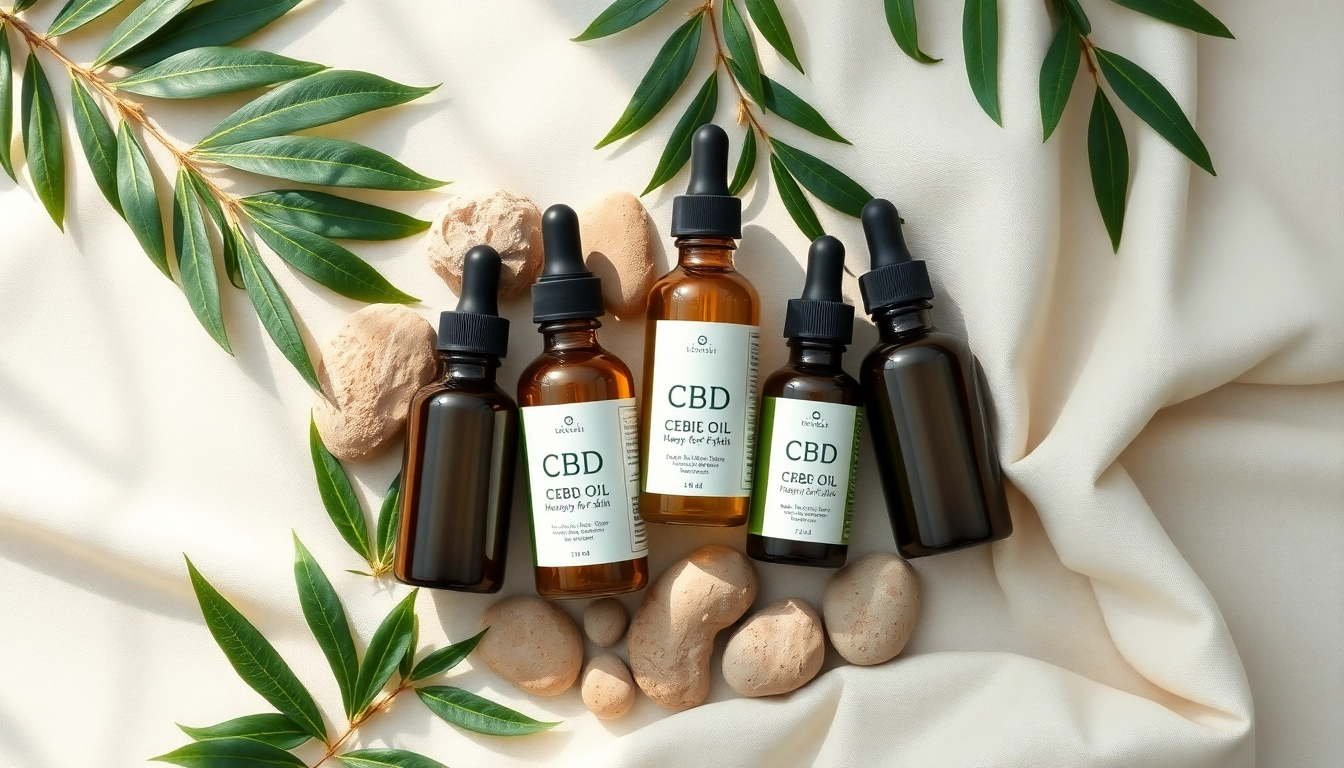
Understanding CBD Oil for Skin Properties
What is CBD Oil?
CBD oil, derived from the cannabis plant, has gained considerable attention for its potential health benefits, including its therapeutic properties for skin conditions. Unlike THC, the psychoactive compound in cannabis, CBD is non-intoxicating, making it a desirable option for those seeking natural remedies without the high associated with traditional cannabis products. CBD oil for skin is extracted from hemp plants, which contain low levels of THC and high levels of CBD. It is commonly used in various skincare products, ranging from oils and creams to serums and lotions.
How CBD Oil Affects Skin Health
CBD oil interacts with the endocannabinoid system (ECS) in our body, which plays a crucial role in regulating various physiological functions, including skin health. The ECS consists of receptors located throughout the body, including the skin, where they contribute to maintaining homeostasis. When applied topically, CBD binds to these receptors and can help modulate skin responses.
Research indicates that CBD may affect skin health through its anti-inflammatory, antioxidant, and antimicrobial properties, potentially leading to improvements in various skin conditions. For instance, CBD is known to reduce inflammation, which can alleviate symptoms of conditions like acne and eczema, while its antioxidant properties may help combat oxidative stress that accelerates skin aging.
Potential Benefits of CBD Oil for Skin
The use of CBD oil in skincare has been backed by emerging studies and anecdotal evidence suggesting numerous benefits. Below are several noteworthy advantages of incorporating CBD oil into your skincare routine:
- Reduces Inflammation: CBD's anti-inflammatory properties can soothe irritated skin, making it beneficial for conditions like acne and psoriasis.
- Balances Oil Production: Preliminary research suggests that CBD may help regulate sebum production in the skin, potentially leading to less acne development.
- Aids in Skin Hydration: CBD oil contains essential fatty acids that can help in maintaining skin's moisture levels, promoting a healthy skin barrier.
- Provides Antioxidant Protection: By fighting free radicals, CBD oil can help prevent premature aging and keep skin youthful.
- Alleviates Skin Conditions: Conditions such as eczema, psoriasis, and even acne may improve with regular use of CBD oil due to its therapeutic benefits.
Common Skin Conditions Helped by CBD Oil
CBD Oil for Acne Treatment
Acne is a common skin condition characterized by inflamed pores that can lead to redness, swelling, and sometimes scarring. Research suggests that CBD oil can help alleviate acne symptoms by reducing inflammation and balancing oil production. A clinical study indicated that CBD inhibits lipid synthesis in sebocytes, which are the cells that create sebum, thereby potentially lowering acne outbreaks.
Incorporating CBD oil into your skincare routine may help not only in treating existing acne but also in preventing future breakouts. Users have reported reduced redness and clearer skin with consistent use of CBD-infused topical products.
Using CBD Oil for Eczema Relief
Eczema, or atopic dermatitis, is a chronic condition causing dry, itchy, and inflamed skin. Its management often requires moisturizing treatments and anti-inflammatory medicines. CBD oil's moisturizing capabilities combined with its anti-inflammatory properties make it a promising option for easing eczema symptoms.
Topical application can provide immediate relief from itchiness and irritation, while also helping to restore the skin barrier. Products containing CBD oil can deliver hydration and facilitate healing, making them effective for those struggling with eczema flare-ups.
CBD Oil and Psoriasis: What You Need to Know
Psoriasis is an autoimmune condition characterized by the rapid growth of skin cells, resulting in thick, red, scaly patches. The anti-inflammatory properties of CBD oil may prove beneficial in mitigating the symptoms associated with psoriasis. Studies have shown that CBD can hinder the production of keratinocytes, the skin cells that proliferate in psoriasis, potentially slowing down the condition's progression.
Regularly using CBD oil on affected areas may reduce itching, inflammation, and discomfort. Patients using CBD-infused creams and lotions have reported significant improvements, showcasing its potential as a therapeutic option in managing psoriasis symptoms.
How to Incorporate CBD Oil into Your Skincare Routine
Choosing the Right CBD Oil Products
When selecting CBD oil for skincare, it's essential to look for high-quality products from trustworthy brands that provide third-party lab testing. Consider factors such as:
- Concentration: Check the potency of CBD in the product. Higher concentrations may offer more significant effects for chronic conditions.
- Full-Spectrum vs. Isolate: Full-spectrum products contain various cannabinoids and compounds, potentially enhancing the overall effect through the entourage effect. However, isolates contain only CBD.
- Ingredient Transparency: Choose products free from harmful additives, fragrances, and artificial colorings.
- Customer Reviews: User ratings and testimonials can provide insights into the product's effectiveness.
Effective Application Techniques
To maximize the benefits of CBD oil for skin, follow these application tips:
- Patch Test: Before applying CBD oil extensively, conduct a patch test to ensure there's no allergic reaction.
- Cleanse Your Skin: Start with clean skin to enhance product absorption; this could mean cleansing your face and allowing it to dry properly.
- Use Sparingly: Apply a small amount of CBD oil to affected areas or mix a few drops into your regular moisturizer for enhanced effects.
- Massage Gently: Massage the CBD oil into your skin using circular motions to improve absorption and encourage blood flow.
Recommended Dosages and Usage Frequency
The appropriate dosage of CBD oil can vary based on several factors, including the concentration of the product and individual skin conditions. Here are some general guidelines for usage:
- Start Small: Begin with a low concentration and gradually increase based on how your skin reacts.
- Frequency: Depending on the severity of the skin condition, applying CBD oil once to twice daily may yield beneficial results.
- Monitor Effects: Keep track of any improvements or side effects and adjust your usage accordingly.
Potential Side Effects and Considerations
Possible Allergic Reactions
Although CBD oil is generally well-tolerated, some individuals may experience allergic reactions to the oil or other ingredients in its formulation. Symptoms could include redness, itching, or swelling. It is advisable to discontinue use and consult a healthcare provider if you experience any adverse reactions.
Interactions with Other Skincare Ingredients
CBD oil may interact with other active ingredients in skincare routines, particularly strong actives like retinoids or acids. Conducting thorough research or consulting a dermatologist can help prevent adverse formulations that might irritate the skin or reduce efficacy.
When to Avoid CBD Oil for Skin
Consult a healthcare professional before using CBD oil if you are pregnant, nursing, or have specific health conditions, as safety in these contexts is not fully established. Additionally, avoid CBD oil products if you have known allergies to hemp derivatives.
Frequently Asked Questions about CBD Oil for Skin
Is CBD Oil Safe for All Skin Types?
While CBD oil is generally regarded as safe for most skin types, it's essential to conduct a patch test before full application. Those with sensitive skin or particular allergies should consult with a dermatologist for personalized guidance.
How Long Does It Take to See Results?
The timeline for seeing results from CBD oil can vary significantly based on the individual and the specific skin condition being treated. Some users report improvements within a few days, while others may require several weeks of consistent use to observe meaningful changes.
Can CBD Oil Replace Regular Skincare Products?
CBD oil is not a complete replacement for a holistic skincare routine. Instead, it should be considered a complementary treatment alongside other skincare products. Combining CBD oil with moisturizers or sunscreens can enhance overall skin health.