
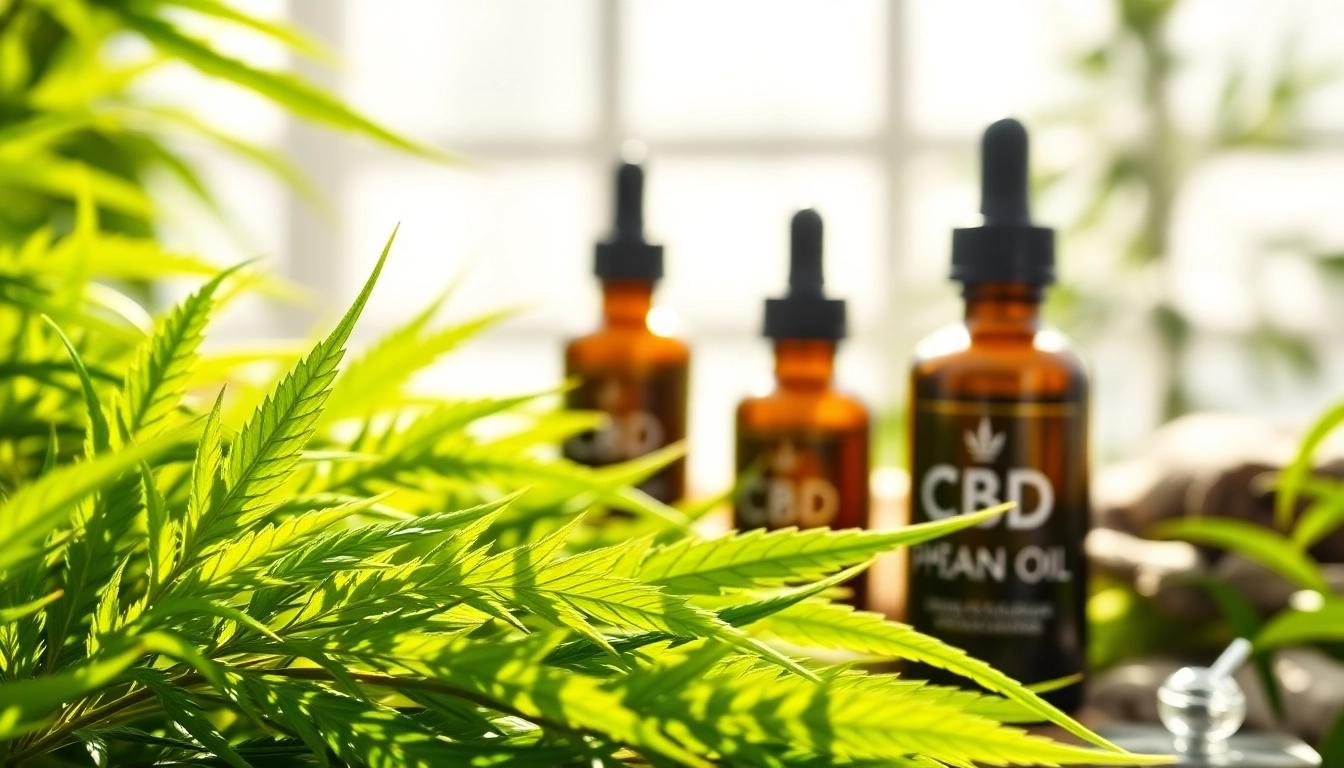
What is CBD?
Definition and Source of CBD
Cannabidiol, commonly referred to as CBD, is a naturally occurring compound found in the cannabis plant. It is one of over 100 cannabinoids that are unique to the cannabis species. Unlike tetrahydrocannabinol (THC), another well-known cannabinoid, CBD does not produce psychoactive effects, meaning it does not cause the euphoric "high" typically associated with cannabis use. Instead, CBD has been studied for its potential therapeutic properties and has gained popularity as a wellness product.
CBD is mainly derived from hemp, a variety of Cannabis sativa that has been cultivated for centuries primarily for industrial purposes. Hemp plants contain a much higher concentration of CBD compared to THC, making them ideal for extraction purposes. The legal cultivation of hemp under U.S. federal law has fueled the rapid growth of the CBD market, facilitating a surge in various CBD-infused products, from oils and capsules to edibles and topicals.
Chemical Properties and Composition
The chemical structure of CBD is similar to that of the body’s endocannabinoids, allowing it to interact with cannabinoid receptors in the brain and body. This interaction is part of the endocannabinoid system (ECS), which plays a crucial role in regulating various physiological processes, including mood, memory, appetite, and pain sensation. Based on its molecular formula (C21H30O2), CBD may modulate neurotransmitter release, provide anti-inflammatory effects, and offer neuroprotective properties.
CBD is lipophilic, meaning it has high solubility in fats and oils. This characteristic influences how CBD is processed in the body and can affect the formulation of CBD products. For effective bioavailability, CBD oil extracts are frequently combined with carrier oils, such as coconut or hemp seed oil, which help facilitate absorption when consumed.
How CBD Differs from Other Cannabinoids
CBD’s distinction lies primarily in its non-psychoactive nature. While THC binds strongly to the CB1 receptors in the brain, inducing a high, CBD has a low affinity for these receptors and can even antagonize their activation. This unique interaction differentiates CBD from THC and makes CBD a preferred choice for those seeking therapeutic benefits without the mind-altering effects of cannabis.
Furthermore, while THC can cause adverse effects such as anxiety or paranoia in some users, extensive research suggests that CBD may actually counteract these effects by promoting a sense of calmness and relaxation. Other cannabinoids, like cannabigerol (CBG) and cannabinol (CBN), also exhibit different properties, each contributing uniquely to the overall effects of cannabis products. This diversity underscores the importance of understanding specific cannabinoids and their potential applications in wellness.
Potential Benefits of CBD
Health Benefits Supported by Research
The potential health benefits of CBD have garnered attention from the medical community, as numerous studies explore its therapeutic properties. Extensive preliminary research suggests that CBD may help alleviate symptoms associated with various health conditions:
- Anxiety and Depression: Research indicates that CBD can decrease anxiety levels by modulating serotonin receptors in the brain. Studies have observed a reduction in anxiety among individuals suffering from social anxiety disorder following CBD administration.
- Chronic Pain Management: CBD may influence pain perception by reducing inflammation and interacting with neurotransmitter receptors. Clinical trials have reported positive outcomes in patients with conditions like arthritis and multiple sclerosis.
- Neuroprotective Properties: CBD has shown promise in managing neurological disorders such as epilepsy and multiple sclerosis. The FDA has approved a CBD-based medication, Epidiolex, for treating specific types of epilepsy in children.
- Heart Health: Some studies suggest that CBD may support heart health by reducing blood pressure and mitigating inflammation, potentially lowering the risk of heart disease.
Personal Anecdotes and User Experiences
Aside from clinical research, many individuals have shared personal anecdotes highlighting the positive effects of CBD. Users report experiencing enhanced relaxation, improved sleep quality, and reduced symptoms of chronic conditions. These testimonies emphasize the wide-ranging applications of CBD and underscore its relevance in everyday wellness routines.
While anecdotal evidence is valuable, it is essential to note that individual responses to CBD can significantly differ based on factors such as dosage, delivery method, and personal health conditions. Users are encouraged to consult healthcare professionals when navigating their CBD journey.
Comparison with Traditional Treatments
A growing interest in CBD has raised questions about its efficacy compared to traditional medications. For many, CBD offers a natural alternative with fewer side effects. For instance, while pharmaceutical anxiety medications may lead to dependency or withdrawal symptoms, CBD has been shown to have a low-risk profile and is generally well-tolerated.
However, it is crucial to approach CBD as a complementary treatment rather than a complete replacement for traditional therapies. The effectiveness of CBD varies by individual, and healthcare providers can help tailor a balanced treatment approach that includes both CBD and conventional medications when necessary.
Safety and Side Effects of CBD
Common Side Effects of CBD Use
With the increasing popularity of CBD, it is imperative to understand its safety profile. Although generally considered safe, CBD may cause side effects in some users. The most common side effects include:
- Dry mouth
- Drowsiness
- Changes in appetite
- Diarrhea
Understanding these potential side effects can help users make informed choices about their CBD use. Some may experience mild effects, while others might require adjustment in dosage or method of consumption. Consulting a healthcare provider can facilitate better management of any adverse reactions.
Important Precautions to Consider
Before starting CBD, it is essential to consider several precautions. Individuals taking other medications should consult their healthcare provider to minimize the risk of drug interactions. CBD may inhibit the cytochrome P450 enzyme system, which can affect the metabolism of certain drugs, including blood thinners and anti-seizure medications.
Moreover, pregnant or nursing women are advised to avoid CBD due to insufficient research regarding safety during these periods. Overall, staying informed and consulting healthcare professionals can ensure a safe approach to CBD consumption.
Drug Interactions and Safety Information
Drug interactions and individual variability play a significant role in the safety of CBD use. As mentioned, CBD can interact with liver enzymes, which may affect the efficiency of other medications. For this reason, avoiding self-medication and seeking guidance from a healthcare professional is advisable, especially for those on complex medication regimens.
Additionally, sourcing high-quality and third-party tested CBD products is crucial for minimizing risks related to contaminants or inaccurate labeling. Its increasing market popularity has led to variations in product quality, reinforcing the importance of diligent research and transparency in the CBD product selection process.
Ways to Use CBD
Different Forms of CBD Products
CBD products come in various forms, each with unique methods of delivery and onset times. The most common formats include:
- Oils and Tinctures: Concentrated liquefied forms of CBD, typically taken sublingually for faster absorption.
- Edibles: Snacks, gummies, and beverages infused with CBD. While they offer a discreet way to consume CBD, they may have delayed effects due to digestion.
- Topicals: Creams, balms, and lotions designed for localized application to alleviate pain or inflammation.
- Capsules: Pre-measured doses of CBD for those who prefer a conventional method of oral consumption.
Effective Dosage Guidelines
Determining the ideal dosage of CBD can be complex, as individual factors such as weight, metabolism, and the condition being addressed all play a role. Starting with a low dose and gradually increasing it while monitoring effects is a safe approach. General recommendations suggest beginning with 5-10 mg of CBD and adjusting as necessary until desired effects are achieved.
It's also essential to allow sufficient time for the effects to manifest, as the onset can range from as little as 15 minutes to several hours, depending on the method of consumption. Keeping a journal to track dosages, timings, and effects may help individuals find their optimal dose more effectively.
Best Practices for Consumption
To maximize the benefits of CBD, adhering to best practices for consumption is vital. First, selecting high-quality, reputable products from transparent companies ensures access to effective and safe options. Second, understanding individual health goals and necessary doses aids in optimizing results.
Finally, users should consider their preferred delivery methods and choose according to lifestyle and convenience. Different products may require varying consumption routines, and individuals favoring flexibility may opt for oils or edibles, while those needing localized relief might select topical applications.
Current Research and Future Directions for CBD
Ongoing Studies and Clinical Trials
The landscape of CBD research is rapidly evolving, with numerous ongoing studies investigating its effects on various health conditions. Recent clinical trials are examining CBD's potential in treating anxiety disorders, addiction recovery, and even cancer-related symptoms. Scientific exploration is crucial for establishing robust evidence for CBD's efficacy and safety, paving the way for more regulated therapeutic applications.
In addition, research endeavors focusing on the synergies between CBD and other cannabinoids or terpenes (the aromatic compounds in cannabis) are gaining traction. These studies aim to unravel the "entourage effect," where the combination of multiple cannabinoids and terpenes work synergistically to enhance therapeutic outcomes.
Emerging Trends in CBD Products
As understanding of CBD grows, so does the diversity of products available. Some emerging trends include:
- Apart from Traditional Products: Novel product formats such as beverages, infused snacks, and dietary supplements, catering to various consumer preferences.
- Nanoemulsion Technology: This innovative process enhances CBD bioavailability, allowing for faster absorption and effect onset.
- Combination Products: Integrating CBD with other herbal extracts or supplements, targeting specific health benefits and creating holistic products.
Future Implications for Health and Wellness
The future of CBD in health and wellness is promising, with ongoing research likely to reveal more nuanced understandings of its effects. As legal regulations evolve and more individuals become educated about CBD, the market is expected to see increased demand for quality, effective products.
Furthermore, the incorporation of CBD into wellness routines may lead to widespread acceptance, transforming the perception of cannabis in conventional healthcare. As research continues to validate the therapeutic applications of CBD, it could pave the way for more integrated approaches to patient care, emphasizing natural alternatives alongside traditional medicine.