
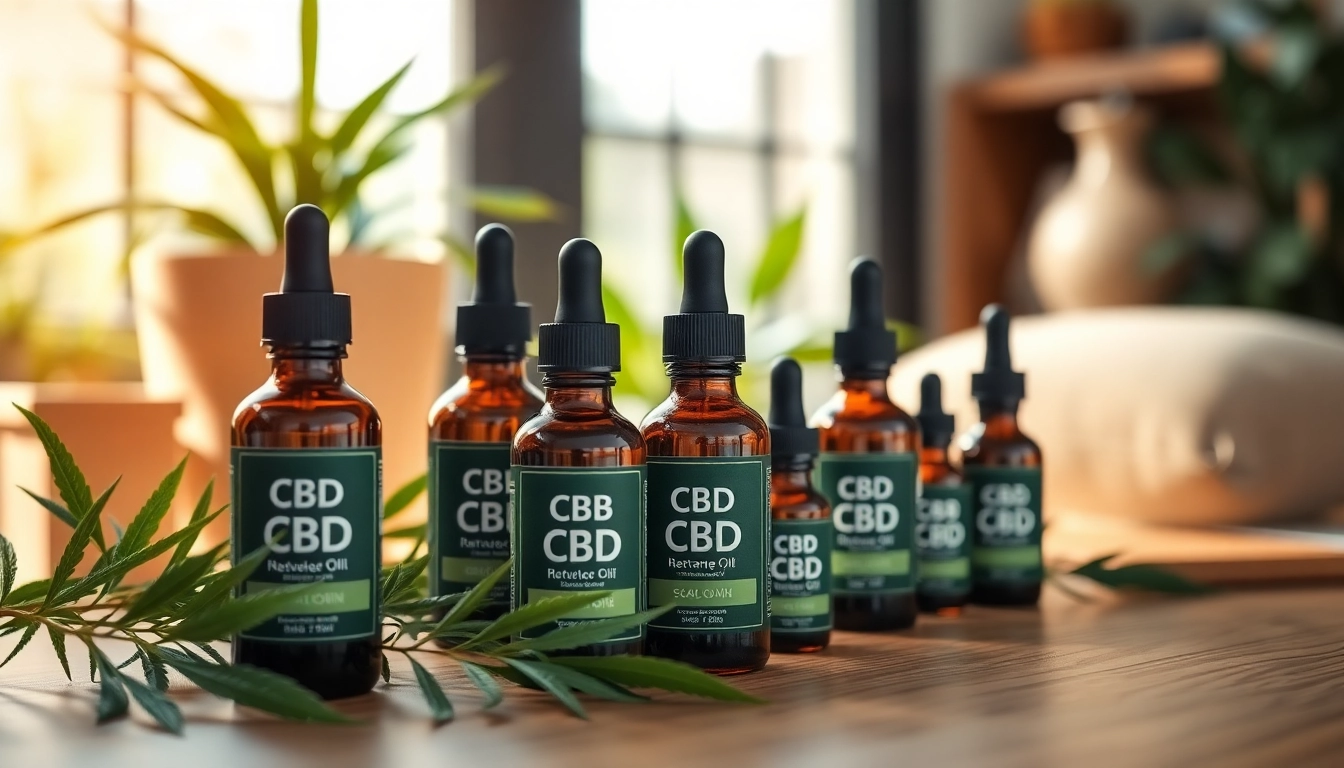
The Basics of CBD Oil
What is CBD Oil?
CBD Oil, short for cannabidiol oil, is a natural compound extracted from the cannabis plant. Unlike THC (tetrahydrocannabinol), which is known for its psychoactive effects, CBD is non-psychoactive, meaning it does not produce a "high." This characteristic has made CBD Oil increasingly popular as a wellness supplement. It's derived from industrial hemp, which contains high levels of CBD and minimal THC, making it legally acceptable in many regions. By interacting with the endocannabinoid system in the body, CBD Oil may help regulate various physiological processes, making it a subject of interest in health and wellness discussions.
For further insights on CBD Oil, you can explore CBD Oil as a natural remedy for health concerns.
How is CBD Oil Made?
The production of CBD Oil involves several key steps that ensure the final product is potent and pure. Initially, high-CBD cannabis plants are harvested. The primary methods of extraction include:
- CO2 Extraction: This is the most efficient and safest method. It involves using pressurized carbon dioxide to pull CBD and other beneficial compounds from the plant.
- Solvent Extraction: Solvents like ethanol may be used, though this method can leave residual substances that might not be desired.
- Oil Infusion: This traditional method involves soaking the cannabis in a high-quality oil (like olive oil) to extract CBD. It’s less efficient but is often preferred for homemade remedies.
After extraction, the oil is typically filtered to remove any plant material and may undergo further processing to enhance purity and potency.
Legal Aspects of CBD Oil
The legal status of CBD Oil varies across countries and states. In many places, CBD derived from hemp with less than 0.3% THC is legal. In contrast, marijuana-derived CBD is subject to stricter regulations. It’s important for consumers to be aware of their local laws regarding CBD before purchasing or using products.
Regulations are still evolving as new research emerges, so ongoing education is essential for both consumers and producers in this industry.
Health Benefits of CBD Oil
Relief from Pain and Inflammation
One of the most researched benefits of CBD Oil is its potential for pain relief. Studies indicate that CBD interacts with receptors in the brain and immune system to reduce inflammation and alleviate pain. Many users report significant improvements in chronic pain conditions, such as arthritis or multiple sclerosis, after using CBD Oil. The anti-inflammatory properties can help manage symptoms, offering a holistic approach to pain management.
Emotional Well-being and Stress Relief
CBD Oil has also gained attention for its potential to affect mental health positively. Many individuals use it to help manage anxiety and depression. Research suggests that CBD may influence the brain's serotonin receptors, similarly to how some traditional antidepressants work. Users report feeling calmer and more relaxed after using CBD Oil, which can be particularly beneficial in stressful situations.
Furthermore, CBD does not carry the side effects commonly associated with pharmaceutical anxiolytics, making it a less risky option for stress management.
Potential Neuroprotective Properties
Emerging research indicates that CBD Oil may have neuroprotective properties, suggesting it could be beneficial for neurological disorders. For instance, studies have shown promise in using CBD to manage symptoms associated with epilepsy and multiple sclerosis. Its ability to protect neurons and reduce inflammation appears to be a key factor in this potential benefit. However, more extensive research is required to fully understand its efficacy and mechanism of action in neuroprotection.
Uses of CBD Oil in Everyday Life
Integrating CBD Oil into Your Routine
Incorporating CBD Oil into your daily routine can be straightforward. Many individuals choose to take it sublingually (under the tongue) for quick absorption. It can also be added to food and beverages or used in topical applications for targeted relief.
The dosage can vary depending on individual needs and health conditions. Starting with a low dose and gradually increasing it while monitoring effects is generally advisable.
How to Choose the Right Product
With a plethora of CBD products on the market, selecting the right one can be daunting. When choosing CBD Oil, consider the following:
- Source of Hemp: Opt for oils sourced from reputable farms that use organic practices.
- Extraction Method: CO2 extraction is often considered the gold standard for quality.
- Lab Testing: Look for third-party lab results to verify the product's potency and purity.
- Full-Spectrum vs. Isolate: Full-spectrum products contain other beneficial cannabinoids and terpenes, while isolates consist of pure CBD.
Understanding these factors can help you make an informed decision tailored to your health needs.
Usage Guidelines for Effective Results
To maximize the benefits of CBD Oil, maintain consistency in its use. Regular dosing can lead to cumulative effects, making it more effective over time. It’s also crucial to find the right dosage that works for you, as individual responses can vary widely.
Additionally, documenting your experiences can help identify what works best for your body, allowing for any necessary adjustments in dosages or product types.
Risks and Side Effects of CBD Oil
Common Side Effects
While CBD Oil is generally well-tolerated, some users may experience mild side effects. These can include fatigue, changes in appetite, diarrhea, and dry mouth. It's important to start with a low dose and monitor how your body responds before increasing it.
Additionally, some individuals may experience an allergic reaction. If you experience unusual symptoms, discontinue use and consult a healthcare professional.
Interactions with Other Medications
CBD Oil can interact with certain medications, particularly those that are metabolized by the liver or interfere with the cytochrome P450 enzyme system. If you are taking medications such as blood thinners or anticonvulsants, consult with a healthcare provider before starting CBD Oil.
Being transparent about all medications and supplements you are taking can help identify potential interactions.
Who Should Avoid CBD Oil?
Certain groups of individuals may need to avoid CBD Oil or use it with caution. Pregnant or breastfeeding individuals should consult a healthcare provider before use, as the effects on fetal development are not fully understood. Additionally, those with certain liver conditions or on specific medications should be cautious. Consulting with a healthcare provider can ensure that the use of CBD Oil aligns with your health needs.
Future of CBD Oil Research and Development
Emerging Trends in CBD Studies
With the growing interest in CBD Oil, research is rapidly evolving. Current studies are exploring its potential therapeutic applications in a variety of conditions, not just those traditionally associated with cannabis. These include autoimmune disorders, metabolic conditions, and even certain types of cancer. As more studies are conducted, we can expect a more significant understanding of its benefits and potential uses in clinical settings.
Consumer Demand and Market Growth
The market for CBD Oil has seen exponential growth due to increased consumer awareness and acceptance of its benefits. As demand rises, the industry is likely to see innovations in product development, including new delivery methods and formulations tailored to specific health concerns. Businesses are increasingly embracing sustainable practices in cultivating hemp, which can enhance the quality and appeal of their products.
Regulatory Developments Affecting CBD Oil
Regulatory landscapes are continuously shifting as governments respond to consumer demand and scientific advances. Understanding these changes is crucial for both consumers and businesses in the CBD market. Ongoing dialogue among regulators, researchers, and industry experts will shape the future of CBD Oil, ensuring it is safe, effective, and accessible to those who seek its benefits.